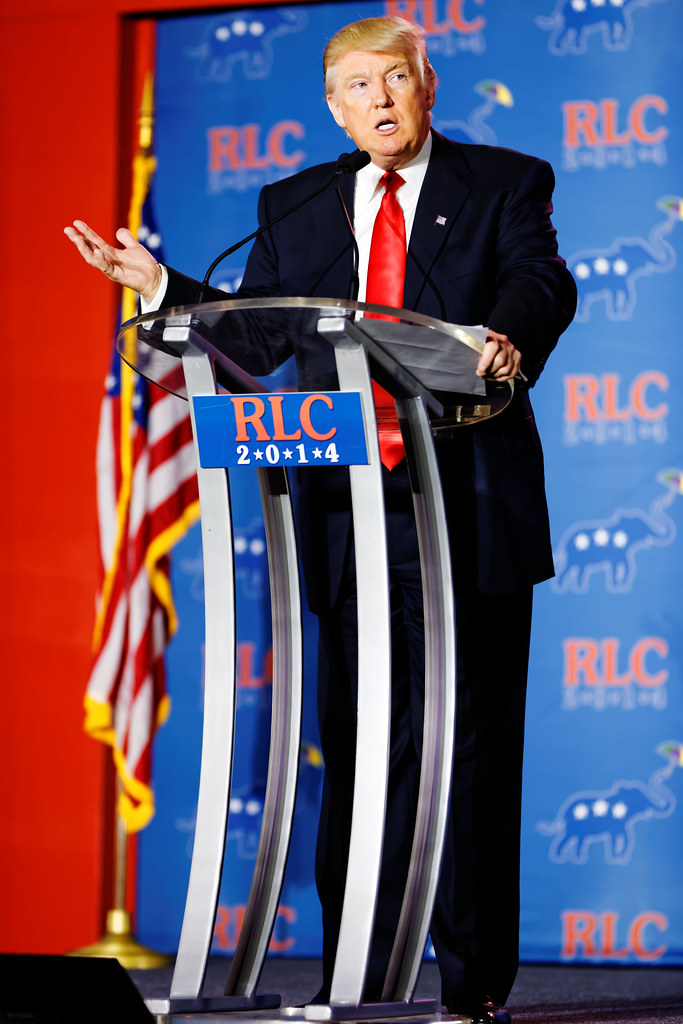
U.S. President Donald Trump continued his midterm campaign efforts in Ohio, engaging in public appearances aimed at bolstering Republican support. The event marked one of his final stops before the November elections, where he sought to rally his base and reinforce his party's position. During the rally, Trump emphasized traditional campaign themes, including economic policies and national security, while avoiding direct confrontation with political opponents.
In Michigan, the political landscape has shifted as former House Intelligence Committee chairman Mike Rogers, who previously criticized China's influence on U.S. Technology, now faces a different environment. With Trump's more conciliatory stance toward Beijing, candidates in the state have found greater flexibility in shaping their platforms. This change has allowed for a broader range of policy discussions, potentially influencing the outcome of the Senate race.
Meanwhile, reports suggest that Trump may attribute potential Republican losses to external factors, including Canada. U.S. Ambassador Pete Hoekstra reportedly warned business leaders that Trump would be displeased if Democrats gained control of Congress. This statement highlights the growing concern among Republicans about the election results and the potential impact on U.S. Foreign policy.
As the midterm elections approach, the evolving strategies of political figures reflect broader shifts in public sentiment and international relations. The outcome of these elections will likely shape the next phase of U.S. Political and economic policy.