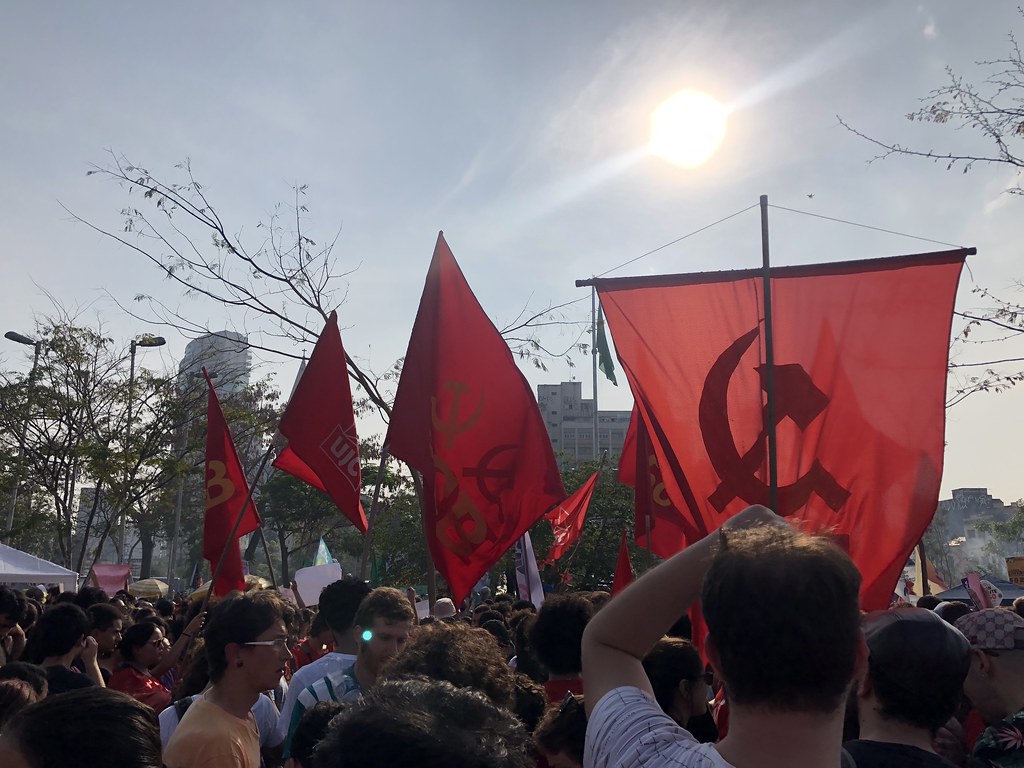
Brazilian President Luiz Inácio Lula da Silva has been re-elected as president after winning the country's general election. Lula, leader of the Workers' Party, defeated opposition candidate Flávio Bolsonaro in a closely contested race. The result was widely celebrated by political leaders across the Americas, who praised the outcome as a victory for the Brazilian people.
Leaders from Mexico, Argentina, and other Latin American nations expressed their support for Lula’s re-election, emphasizing the significance of democratic processes in the region. Mexican President Andrés Manuel López Obrador congratulated Lula, stating, "The people of Brazil won!" Leaders in the region highlighted the importance of Lula’s return to power for maintaining stability and advancing social policies.
Lula’s re-election marks his third term in office, following his initial presidency from 2003 to 2011. His campaign focused on economic recovery, poverty reduction, and environmental protection. The election results reflect a strong mandate from voters who supported his progressive agenda. Lula’s victory also signals a shift in political dynamics in Brazil, with a clear rejection of the far-right policies associated with his predecessor.
Lula’s re-election comes amid ongoing discussions about Brazil’s role in regional and global affairs. His administration is expected to prioritize economic reforms and international cooperation, particularly in addressing climate change and social inequality. The political landscape in Brazil continues to evolve, with Lula’s return to power shaping the country’s future direction.