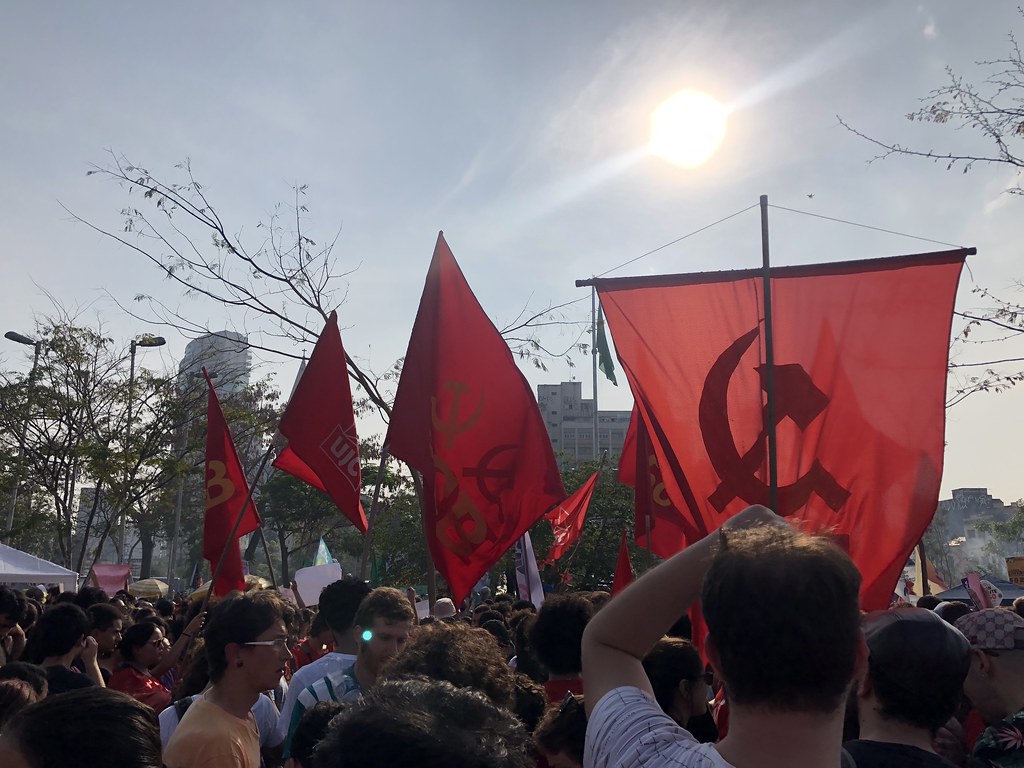
Brazil’s President Luiz Inácio Lula da Silva has been reelected for a fourth term, defeating right-wing challenger Flávio Bolsonaro in a closely contested runoff. Bolsonaro, son of former president Jair Bolsonaro, refused to concede, claiming the election results were impossible to accept. The election, held on October 25, 2026, saw Lula secure a narrow victory after a second-round vote.
Lula, 80, has led Brazil since 2003, with intermittent breaks, and is now set to begin his fourth term. His campaign focused on economic recovery and social reforms. Bolsonaro, who ran on a platform of conservative policies, argued that the extended voting hours, which were implemented due to public transport disruptions, created an unfair advantage.
The election results were announced by the electoral court, with Lula receiving 50.3% of the vote. Bolsonaro, who had previously criticized the extension of voting hours, called for the results to be annulled, claiming the process was unprecedented. Despite his objections, the court confirmed the results, allowing Lula to take office.
This marks the first time a president has won four terms in Brazil. Lula’s victory follows a period of political instability, including the imprisonment of his predecessor, Jair Bolsonaro, for plotting a coup. Human rights organizations have urged Lula to prioritize reforms during his new term.
Lula’s re-election signals a shift toward leftist policies, despite Bolsonaro’s continued influence in conservative circles. The outcome will shape Brazil’s political landscape for years to come.