Brazilians voted in a decisive runoff election on October 25, 2026, reelecting Luiz Inácio Lula da Silva as president. Lula, 80, secured victory over Flávio Bolsonaro, 45, son of former president Jair Bolsonaro. The election, held in a polarized political climate, saw extended voting hours and significant voter turnout.
Vote counting resumed after a last-minute extension of polling hours, requested by both candidates due to logistical challenges in their strongholds. Lula, a left-wing leader, ran on a platform emphasizing social welfare and environmental protection. Bolsonaro, representing the right-wing, campaigned on economic reforms and law enforcement measures.
International observers noted the election's significance, with left-leaning leaders in the Americas expressing support for Lula's win. Human rights organizations called on Lula to prioritize human rights during his new term.
Lula's victory marks his fourth non-consecutive term in office. His campaign focused on restoring public services and addressing inequality. Bolsonaro, who had previously challenged Lula in 2022, conceded defeat after official results confirmed Lula's win.
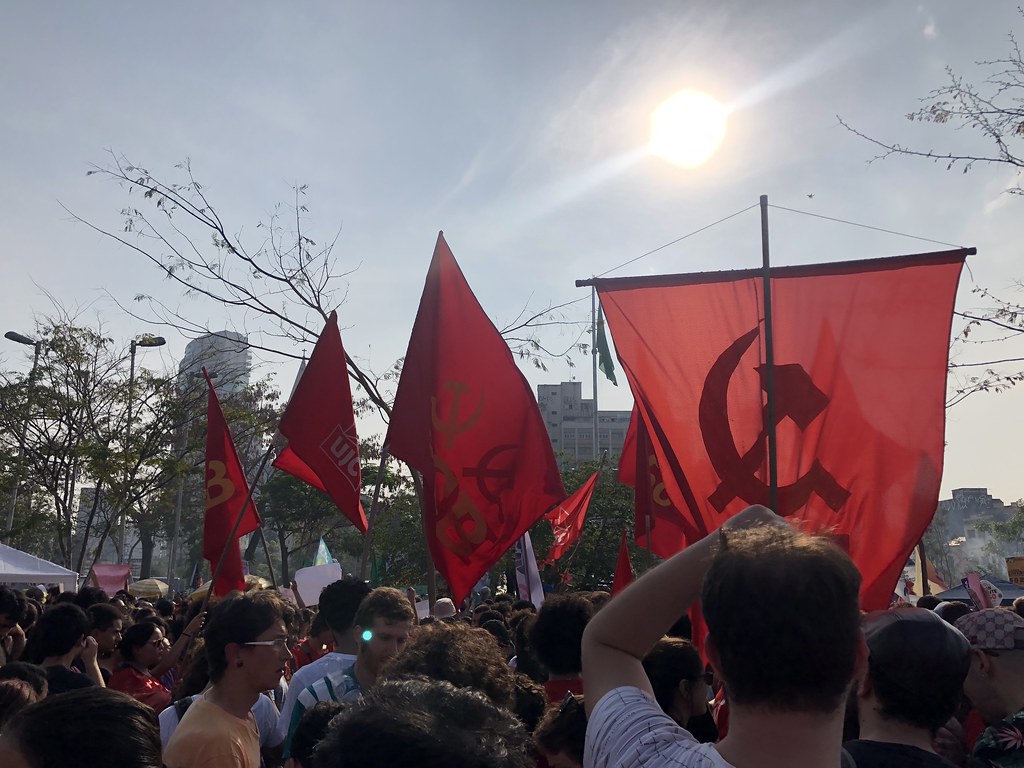
The election followed months of heightened political tension, including protests and concerns over the Amazon rainforest. Voters in remote areas, including Amazon residents, traveled by boat through wildfire smoke to cast their ballots. The outcome reflects Brazil's ongoing political divide and the enduring influence of Lula's leftist policies.