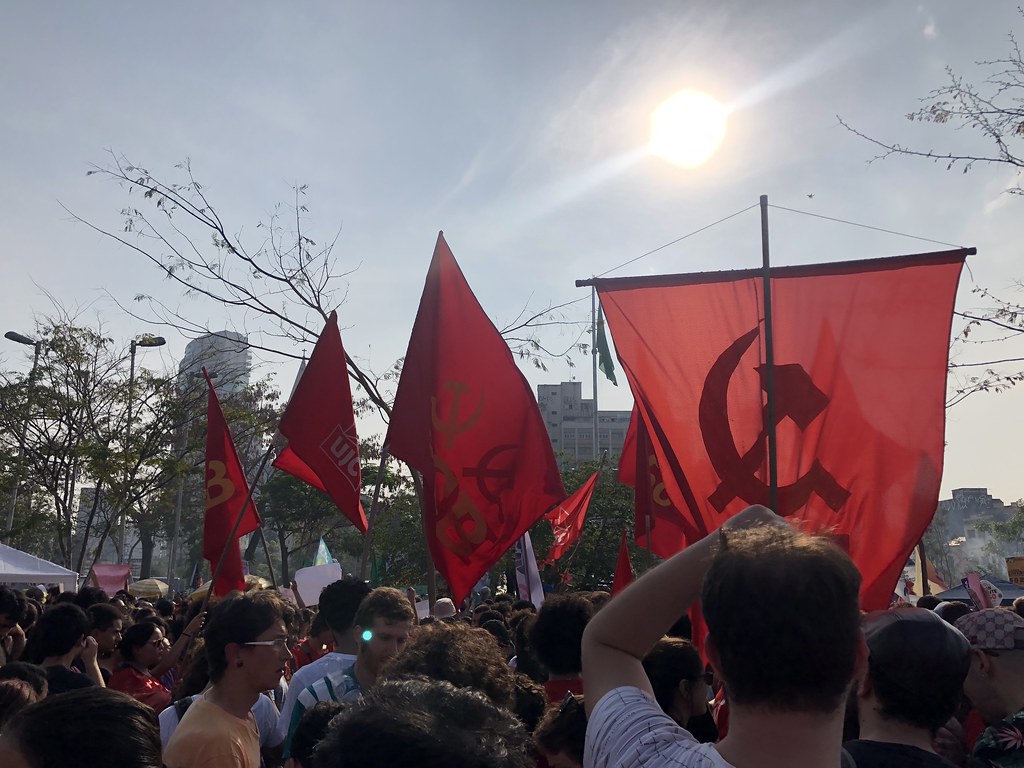
Brazil’s President Luiz Inácio Lula da Silva has won a fourth term in office, defeating his right-wing opponent Senator Flávio Bolsonaro in a closely contested runoff election. The result, announced on October 25, 2026, marks a significant political milestone for Lula, who has now secured an unprecedented fourth presidential term. With 51.76% of valid votes, Lula narrowly edged out Bolsonaro, who received 48.24%. The final tally included 99.83% of votes counted, according to the Superior Electoral Court.
Lula’s victory came after a dramatic comeback, as he trailed in the first round of voting. This is the first time since Brazil adopted the run-off system in 1989 that a candidate who fell behind initially has won the second round. Lula’s campaign focused on economic recovery, social programs, and strengthening Brazil’s ties with China, which has become a key partner in recent years. His next term is set to begin on January 5, 2027.
Lula’s re-election follows a deeply polarized political landscape. His victory has been met with both celebration and skepticism. While supporters hail his return as a triumph for progressive policies, critics argue that his administration faces a hostile Congress and a divided public. The election results reflect the deep political divisions that have characterized Brazil in recent years. Lula’s ability to navigate these challenges will be crucial in shaping the country’s future.