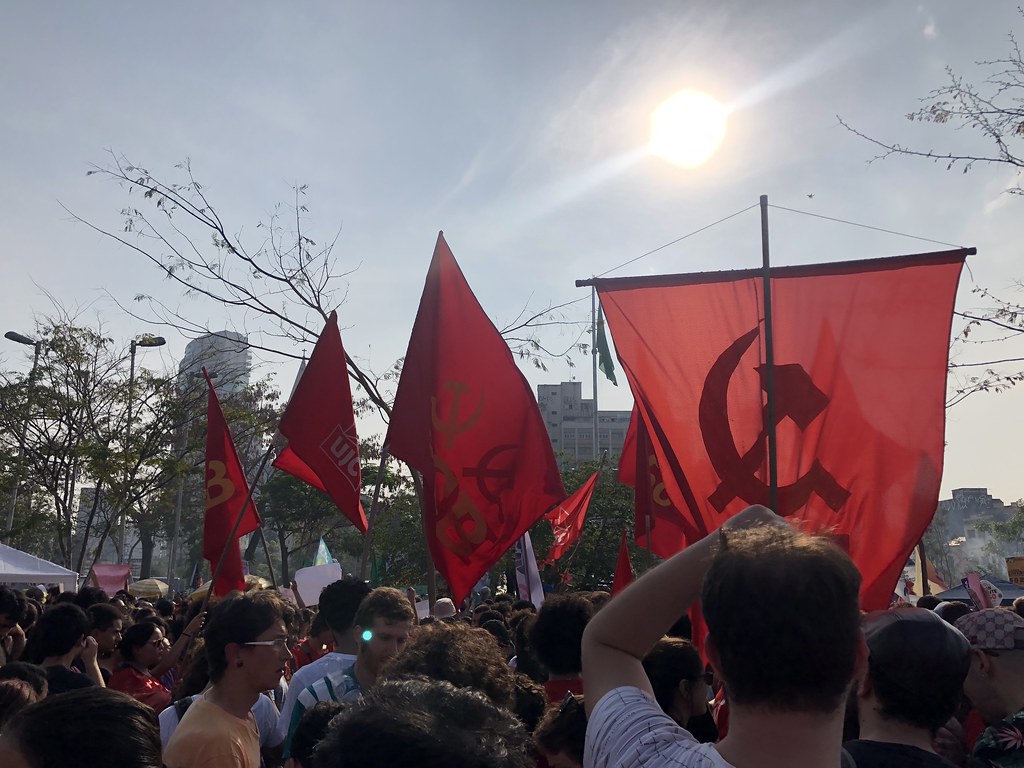
Brazilian President Luiz Inácio Lula da Silva secured a fourth term in office after winning the presidential runoff election. With 51.8% of the vote, Lula defeated his opponent Flávio Bolsonaro. The election results, announced with 100% of the vote counted, were met with immediate challenges from Bolsonaro’s campaign, which questioned the legitimacy of the outcome.
Lula’s victory comes amid heightened political tensions. Bolsonaro, who previously served as president from 2019 to 2022, has refused to accept the election results, alleging widespread fraud. His campaign has called for a recount and has filed legal challenges to contest the outcome. Despite these claims, the electoral court has confirmed the results, stating that no irregularities were found in the voting process.
The election marks a significant shift in Brazil’s political landscape. Lula, a leftist leader, has long been a prominent figure in Brazilian politics. His re-election follows a period of political instability, including the impeachment of former president Dilma Rousseff and the rise of right-wing leaders. Lula’s return to power has been celebrated by many as a return to progressive governance.
International reactions have also been notable. Nigerian President Bola Tinubu has congratulated Lula on his re-election, expressing interest in strengthening bilateral ties between Nigeria and Brazil. This follows a long-standing diplomatic relationship between the two nations, dating back to 1961.
Lula’s victory also contrasts with the political trends in other Latin American countries, where right-wing leaders have gained prominence. His win is seen as a rejection of the growing influence of U.S. President Donald Trump in the region.
As legal challenges continue, the outcome of the election remains a focal point for Brazil’s political future. The next steps will depend on the resolution of ongoing disputes and the stability of the country’s democratic institutions.