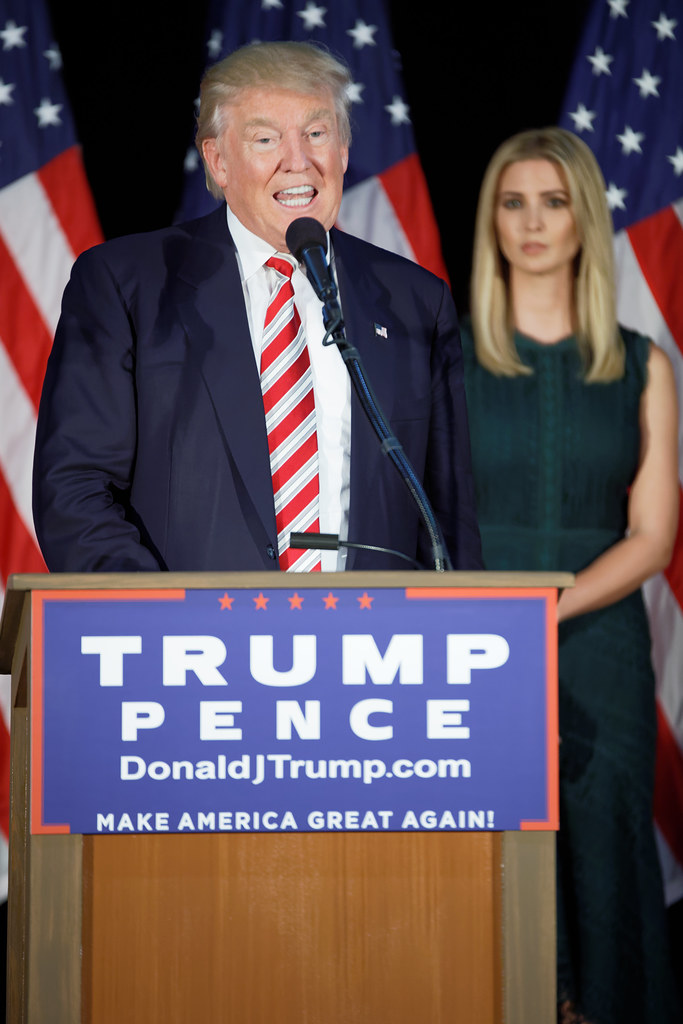
U.S. Democrats have secured control of both the House of Representatives and the Senate in the midterm elections, marking a significant political shift. This outcome has left President Donald Trump without a congressional majority, limiting his ability to push through key legislative priorities. The election results have also sparked reactions from international actors, including Iran, which has expressed satisfaction with the outcome.
Trump has publicly criticized the election results, claiming that Democrats' potential impeachment efforts would "destroy" their party. He has also emphasized his belief that the love he receives at his rallies cannot be transferred to his political opponents. Despite these statements, the Democratic victories suggest a growing political divide in the United States.
This election outcome follows a pattern of declining support for Trump among key demographics, including suburban voters and independents. The Democrats' success in traditionally Republican-leaning districts highlights a broader realignment in American politics. Analysts suggest that the new congressional majority may lead to increased regulatory scrutiny of industries, including artificial intelligence, and could complicate Trump's economic agenda.
The midterm elections have also had ripple effects beyond the U.S. Influencing diplomatic relations and international policy. In Iran, the election results were celebrated as a setback for Trump, with some officials suggesting that the outcome could lead to more aggressive actions against U.S. Interests. These developments underscore the complex geopolitical implications of domestic political shifts.