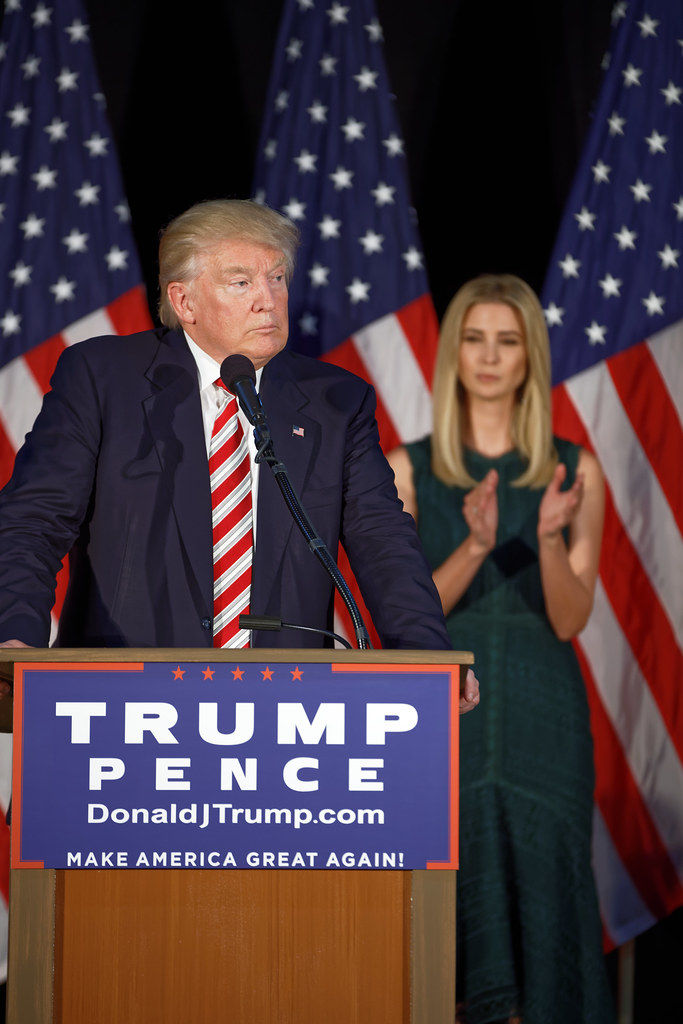
Democrats have secured control of both the House of Representatives and the Senate in the US midterm elections, marking a significant shift in power and challenging President Donald Trump's political influence. The results, described as a "blue tsunami," reflect widespread voter dissatisfaction with Trump's policies, including his handling of the Iran war, rising consumer prices, and controversial trade tariffs.
The Democratic victory has weakened Trump's position in Washington, limiting his ability to push through major legislative agendas. Senate Majority Leader Chuck Schumer has vowed to use the new Democratic majority to counter Trump's policies, calling him a "wannabe king" and threatening to deploy a "legislative razor wire" to block his initiatives. This rhetoric signals a direct confrontation between the outgoing president and the newly empowered opposition.
The midterm defeat has also raised concerns about Trump's ability to influence foreign policy, particularly regarding Iran. Analysts suggest that the loss may push Trump toward diplomacy rather than military action, as the Democrats' control increases scrutiny of his foreign policy decisions. Additionally, some Republican figures, including JD Vance, have acknowledged a shift in voter support, with many who backed Trump in 2024 now turning to the Democrats in 2026.
This political realignment comes after a series of controversies, including Trump's court-related actions and his aggressive stance on Iran, which have fueled public discontent. With Democrats now in charge, the focus shifts to how they will navigate the final two years of Trump's presidency and what legislative priorities they will prioritize in the coming months.