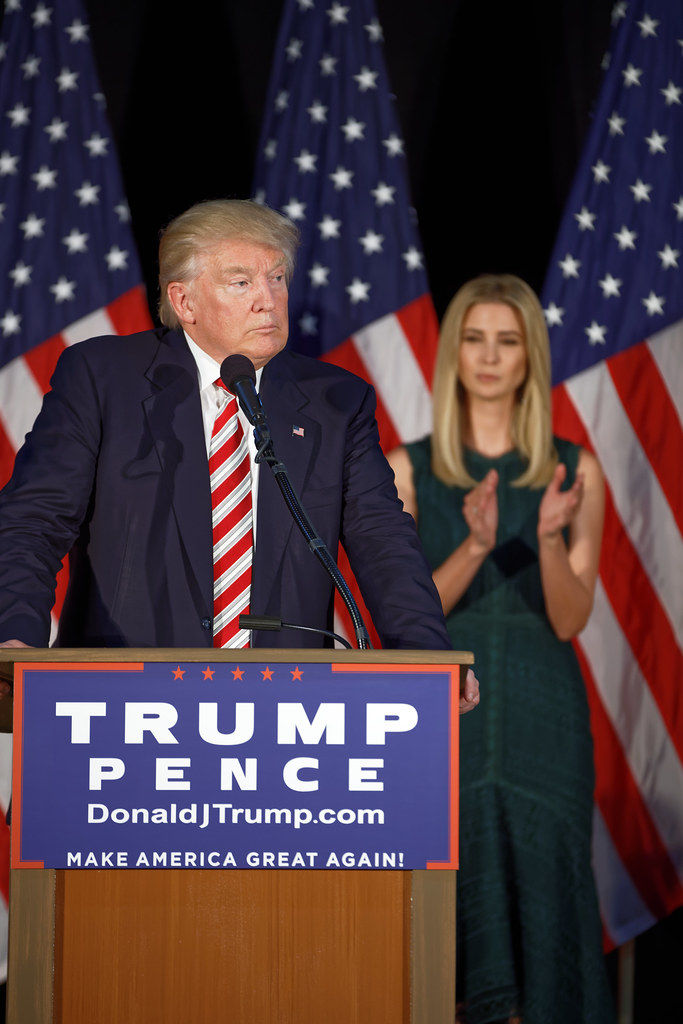
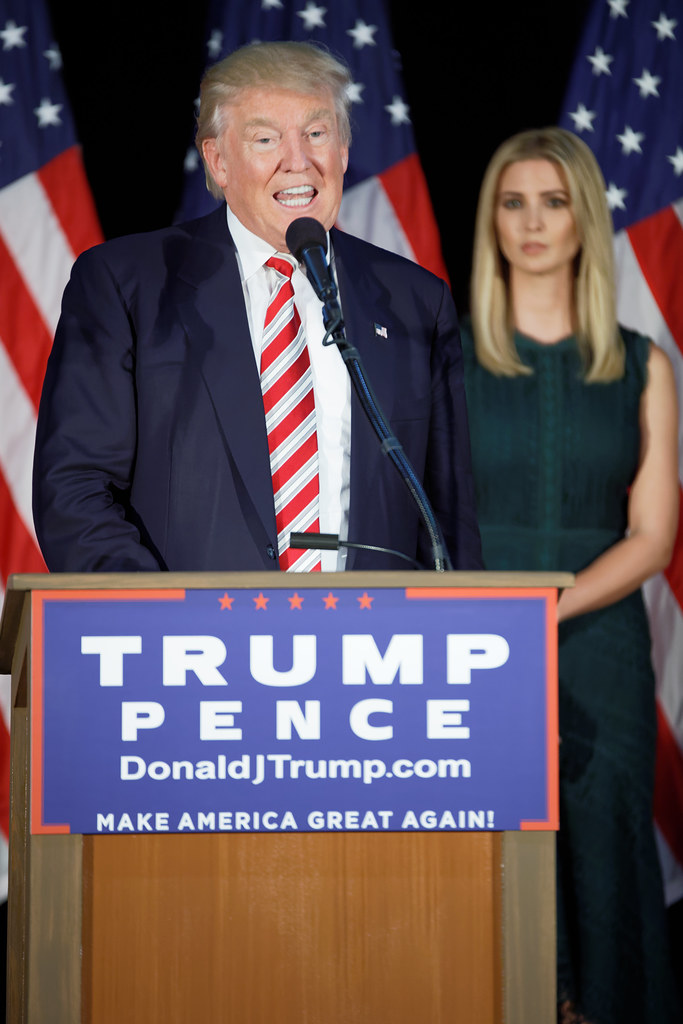
US midterm elections are shaping up as a pivotal moment for President Donald Trump's second term, with outcomes potentially determining his political trajectory. The elections, held every two years, are seen as a test of public support for Trump's policies and leadership. Analysts suggest that the results could influence the direction of the administration, particularly in terms of legislative power and policy implementation.
Trump has expressed concerns about potential investigations into his allies and aides, vowing to protect figures like Elon Musk and considering preemptive pardons if Democrats gain control of Congress. This stance reflects his broader strategy to shield his inner circle from legal scrutiny. Meanwhile, international allies, including South Africa and European nations, have raised questions about the consistency of Trump's trade demands, particularly following the removal of the African Growth and Opportunity Act.
The midterms are also seen as a referendum on Trump's leadership style and policies. His campaign has included unconventional messages, such as a speech focusing on concrete, algae, and landscaping, which has drawn mixed reactions. The outcome of the elections could determine whether Trump retains significant influence over the legislative agenda or faces increased oversight from a Democratic-led Congress.
This election cycle marks a critical juncture for Trump, with implications for both domestic and international relations. The results may set the stage for either continued executive power or a shift toward more institutional checks on his authority. As the polls approach, the focus remains on how voters will ultimately shape the remainder of his presidency.