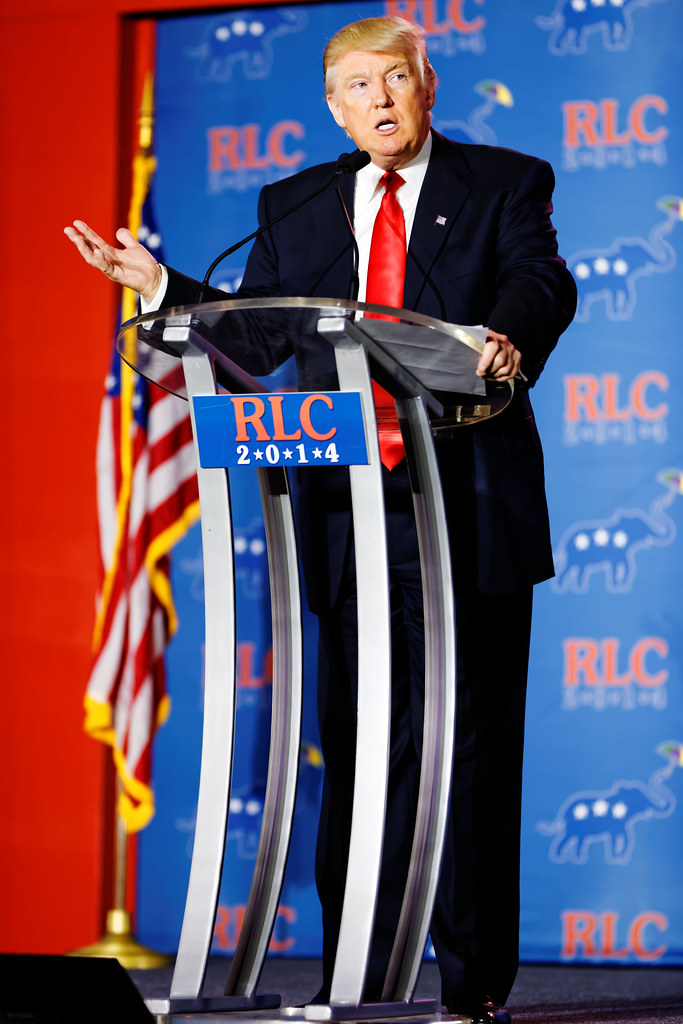
President Donald Trump has rescheduled campaign rallies in Iowa and Kansas after initially canceling them, a decision that raised concerns about his health and the stability of his political campaign. The rescheduling came just days before the US midterm elections, which will determine control of Congress. Trump’s administration had previously canceled the events, prompting speculation about his physical condition and the state of his campaign.
The president later claimed there was “such love in these all over the country,” referring to the rallies, before listing a series of accomplishments. This statement followed reports that Trump had been experiencing health issues, including fever, during the final stretch of the campaign. The rescheduling of the rallies has been seen as an attempt to re-engage with voters in key battleground states.
This move follows a pattern of last-minute changes in Trump’s campaign strategy, often tied to his public health status. In recent weeks, Trump has faced scrutiny over his health, with some analysts suggesting that his ability to campaign effectively may be compromised. The midterms are a critical moment for the Republican Party, and Trump’s presence at these events is seen as a way to bolster his base and influence the outcome.
The rescheduling of the rallies has also sparked debate about the impact of Trump’s health on the political landscape. While some supporters argue that his presence is essential for mobilizing the Republican base, critics have raised concerns about the potential consequences of his continued public engagement. As the midterms approach, the focus remains on how Trump’s health and campaign strategy will shape the election results.