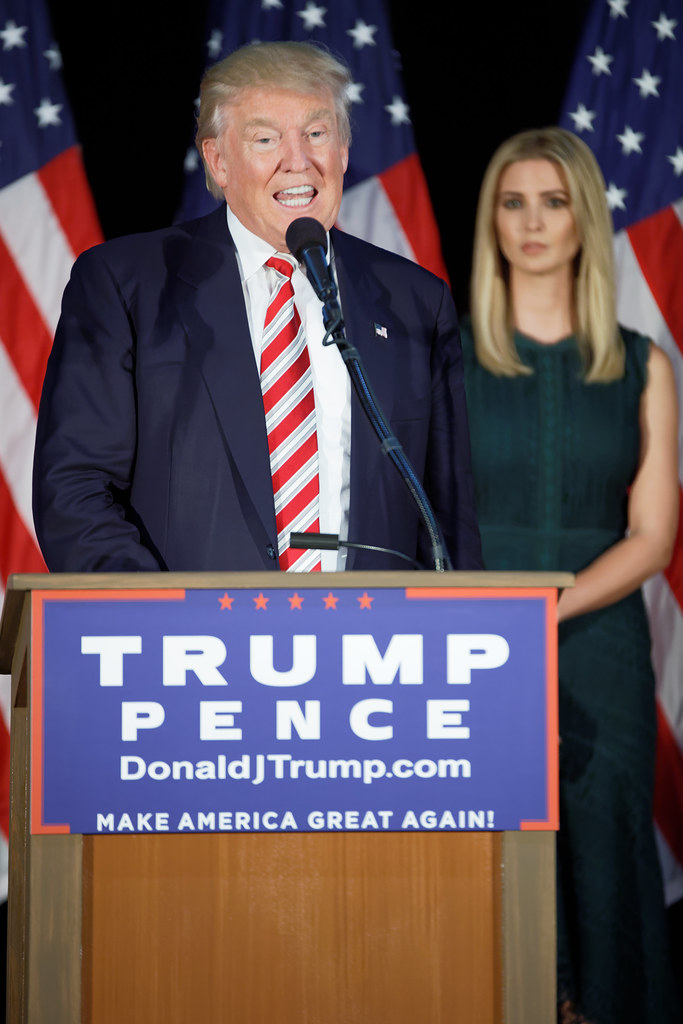
President Donald Trump announced a deal to purchase over one million tonnes of diesel from Russia, marking a significant shift in U.S.-Russia relations and drawing sharp criticism from Democratic leaders and Ukrainian officials. The announcement came just weeks after Trump signed sweeping sanctions legislation targeting Russia over its invasion of Ukraine.
The White House confirmed the deal, stating it aims to secure energy supplies while maintaining diplomatic engagement with Moscow. Trump framed the move as a pragmatic step to bolster U.S. Energy independence, though critics argue it undermines efforts to pressure Russia. Democratic lawmakers accused Trump of betraying Ukraine and European allies, claiming the deal could prolong the war by aiding Russian military operations. Ukrainian President Volodymyr Zelensky condemned the agreement, warning it would allow Moscow to sustain its campaign and retaliate against the U.S.
The decision has intensified scrutiny on Trump’s foreign policy, particularly his approach to Russia and Ukraine. It also follows a broader pattern of Trump’s efforts to reposition the U.S. In global affairs, including his recent push for mail-in voting amid upcoming midterm elections. The move has raised concerns about the impact on international relations and the effectiveness of U.S. Sanctions against Russia.
This is not the first time Trump has faced criticism for his Russia policy. His administration has been under fire for alleged ties to Russian interests and for easing sanctions on Moscow. The diesel deal adds to the controversy, highlighting the tension between economic interests and national security priorities in U.S. Foreign policy.