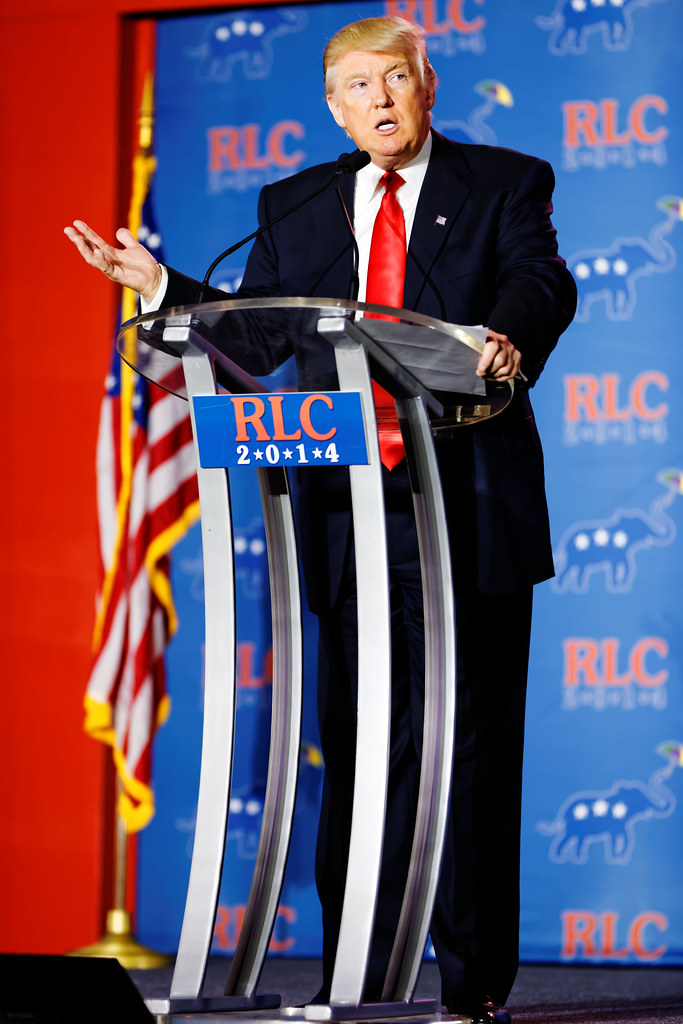
Democrats have secured control of both the US House of Representatives and Senate in the midterm elections, marking a sweeping defeat for President Donald Trump's Republican Party. The results, which saw Democrats win key governorships and congressional seats in traditionally Republican states, reflect a significant shift in political power.
In the House of Representatives, Democrats have gained a majority, allowing them to override Republican vetoes and pass legislation with greater ease. The Senate, which had been closely divided, now leans Democratic, giving the party the ability to shape major policy decisions. This control was achieved despite Trump's campaign efforts to rally Republican voters, with many analysts calling the outcome a "blue tsunami" that has left Trump as a "lame duck" president.
The victories were fueled by voter frustration with Trump's policies and leadership, particularly on issues such as healthcare, economic inequality, and immigration. In states like Michigan and others long dominated by Republicans, Democrats claimed key Senate races, consolidating their influence. The results also saw Democrats take control of governorships in several states, further expanding their political reach.
This midterm success follows a period of growing public discontent with the Trump administration, with many voters expressing dissatisfaction with its handling of domestic and international affairs. Analysts note that while the overall strategy toward China and Iran remains unchanged, the Democratic-led Congress is expected to intensify scrutiny of these issues, particularly regarding Taiwan and artificial intelligence.
The election results have prompted mixed reactions from Trump, who has acknowledged the outcome but blamed Republican candidates for the loss. Despite his public acceptance, Trump has continued to assert that his presidency has been successful, framing the defeat as a failure of the GOP rather than a reflection of his policies.