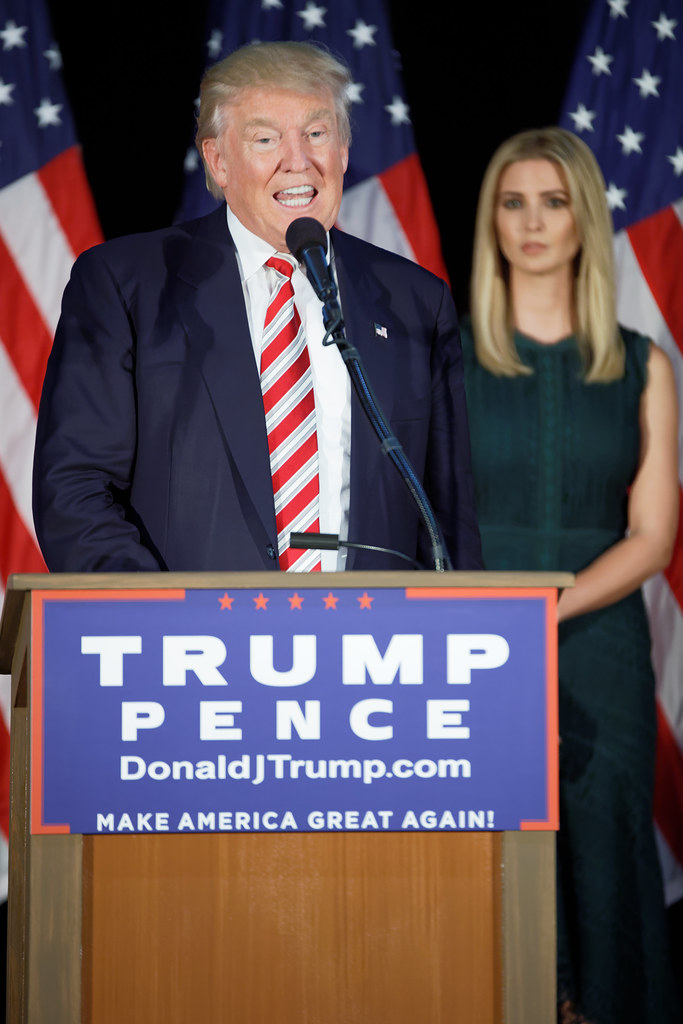
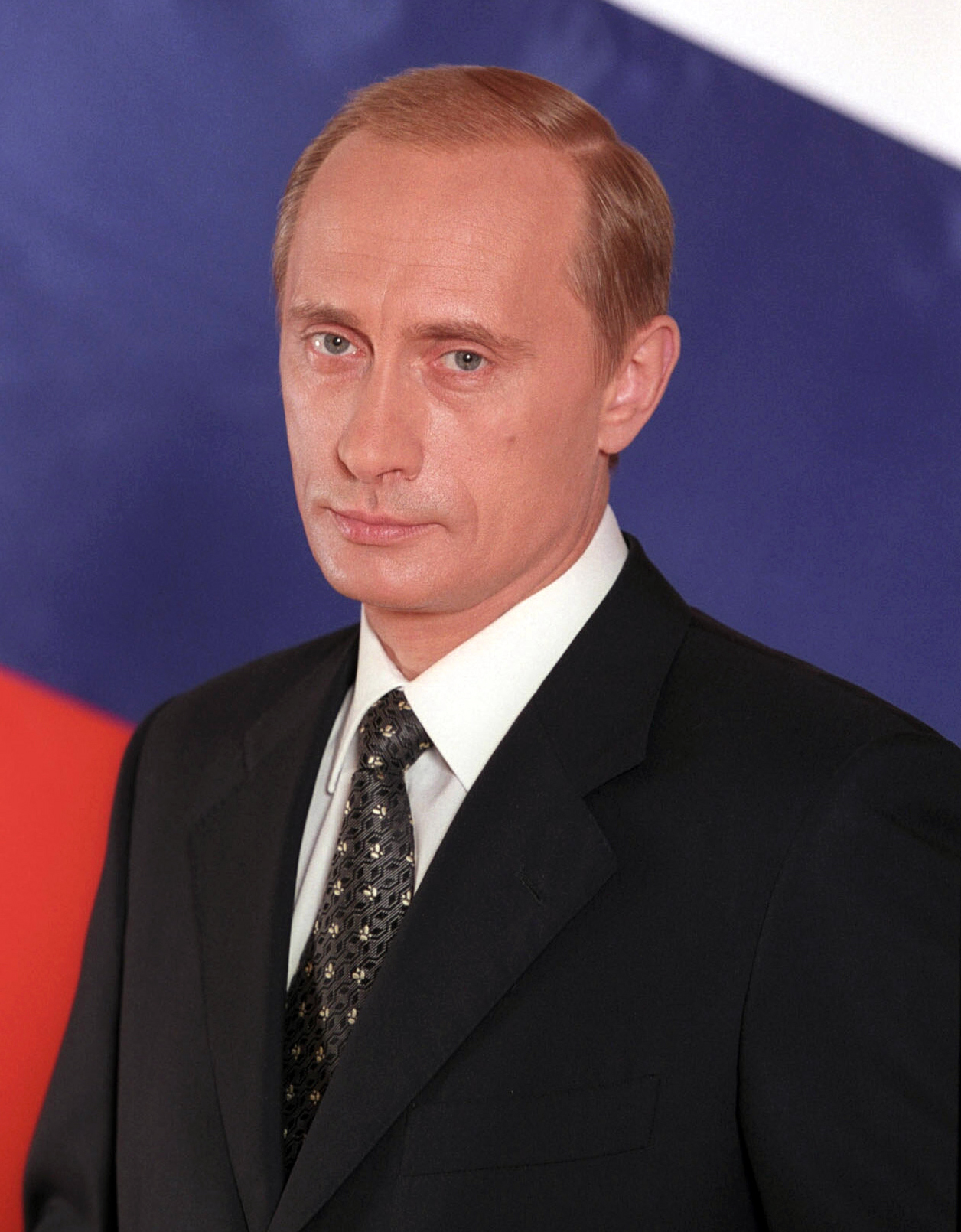
President Donald Trump announced a deal to import Russian diesel into the United States, marking a reversal of years of U.S. Pressure on Moscow over its war in Ukraine. The agreement, announced during a conversation with Russian President Vladimir Putin, involves the immediate release of 300,000 tonnes of diesel to the American and global marketplace. This is followed by 500,000 tonnes in November and another million after that.
The move comes as Trump faces mounting pressure to reduce fuel prices. The deal is seen as an attempt to alleviate economic strain on American consumers. Trump emphasized that the agreement would benefit both the U.S. And global markets. He stated that Putin had agreed to the terms, though no official documents have been released to confirm the details.
This decision contrasts sharply with U.S. Sanctions imposed earlier this year. The sanctions were designed to pressure Russia over its actions in Ukraine. Trump’s reversal has raised questions about the consistency of U.S. Policy on the issue. Analysts note that the deal could have significant implications for international relations and energy markets.
The announcement follows a broader shift in Trump’s foreign policy approach. In recent months, he has taken a more flexible stance on several international issues, including relations with Iran and the handling of the Nobel Peace Prize. The diesel deal is part of a pattern of policy reversals that has characterized his administration.
The decision has drawn mixed reactions from political figures and experts. Some argue that the deal could undermine efforts to isolate Russia economically, while others see it as a pragmatic move to address domestic economic concerns. The full impact of the agreement will depend on how it is implemented and its effects on global energy markets.