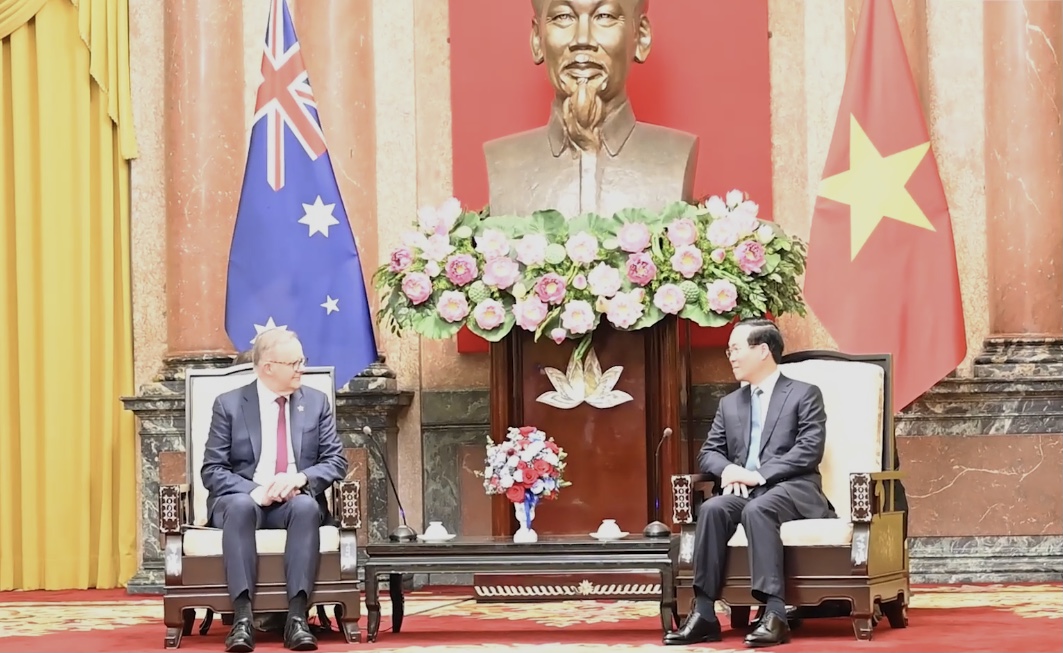
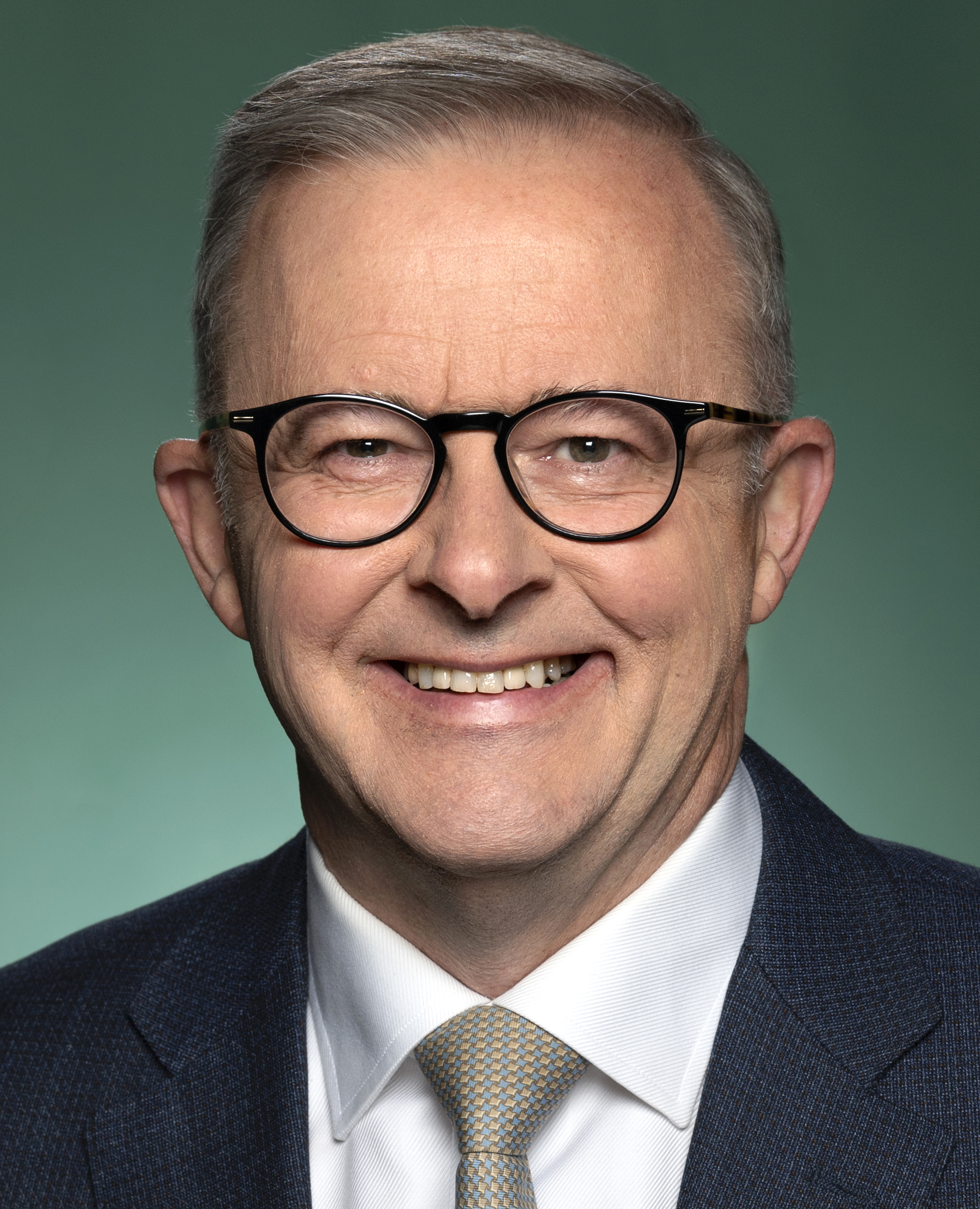
Australia's Prime Minister Anthony Albanese has called for measures to prevent the live broadcast of the execution of US soldier Nidal Hasan, who was convicted for the 2015 Fort Hood attack. Albanese expressed concerns over the potential public access to the execution, which is scheduled to take place in the United States. The Australian government has stated it will take all necessary steps to block the transmission. The request comes amid ongoing diplomatic discussions between Australia and the US, with Albanese emphasizing the importance of maintaining diplomatic relations. The issue has sparked debate over the ethical implications of live executions and the role of international allies in such matters. The Australian government has not yet received a formal response from US authorities. The case of Nidal Hasan, who was sentenced to death for the 2015 attack that killed 13 people, remains a sensitive topic in US military and political circles. Albanese's comments reflect broader concerns about the transparency and public access to such proceedings. The situation highlights the complex relationship between Australia and the US, particularly in matters of law and human rights. The Australian government has previously expressed reservations about the death penalty, but has not taken direct action against US execution policies. The live broadcast of executions is a controversial practice, with some countries banning it to protect public safety and dignity. The Australian stance on this issue aligns with its broader foreign policy goals of promoting human rights and ethical governance. The outcome of this diplomatic engagement could influence future discussions on international law and the treatment of prisoners. The case of Nidal Hasan continues to be a point of discussion in both countries, with ongoing efforts to find a resolution that respects legal processes and public sentiment.
Australia seeks to block live execution broadcast