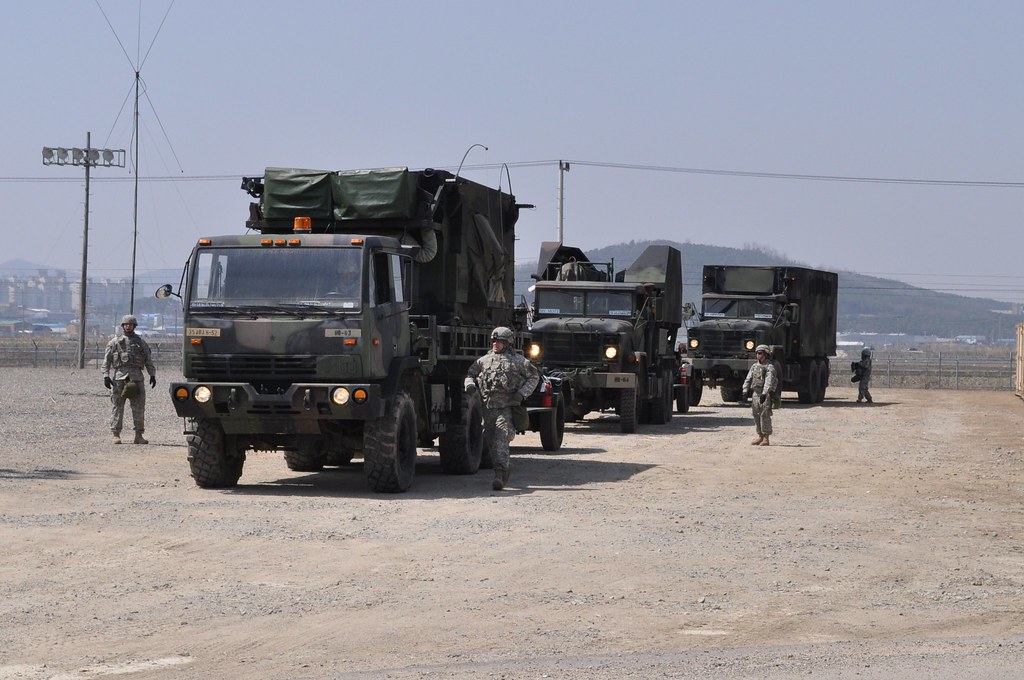
The United States has completed its withdrawal from Iraq, ending a decade-long military presence in the country. US forces officially left the nation, marking a significant shift in the Middle East's geopolitical landscape. The departure follows months of diplomatic efforts and signals a strategic realignment in the region.
The US decision comes after a series of diplomatic exchanges with Iran, which has been increasingly active in Iraq. Iran has received an official response from Washington regarding its proposal to end the war, according to Iranian officials. This exchange suggests a potential path toward de-escalation, though no formal agreement has been reached. The US has not confirmed the details of the response, but officials have expressed openness to dialogue.
Iraq has declared the US-led coalition mission over, ending its involvement in the country’s security operations. This move by Baghdad reflects growing domestic pressure to reduce foreign military influence and assert greater control over its own security. Meanwhile, Iran has positioned itself as a key player in the region, with increased military and political engagement in Iraq.
The US withdrawal leaves Iraq in a precarious position, with no major foreign military presence to support its security. Iran's influence is expected to grow, particularly in areas where it has established a strong network of allies and proxies. Analysts warn that the power vacuum could lead to increased instability, though Iran's ability to maintain control remains uncertain.
The situation in Iraq has been shaped by years of conflict, including the 2003 invasion and the rise of ISIS. The US military presence was initially aimed at stabilizing the country, but it also fueled tensions with Iran. As the US exits, the region faces a new era of uncertainty, with Iran's growing influence likely to reshape the political and military dynamics in the area.