As U.S. Troops complete their withdrawal from Iraq, Iran has reached out to American voters, urging them to reject President Donald Trump's military policies. The move comes amid growing concerns over the security situation in the region and the potential for increased Iranian influence.
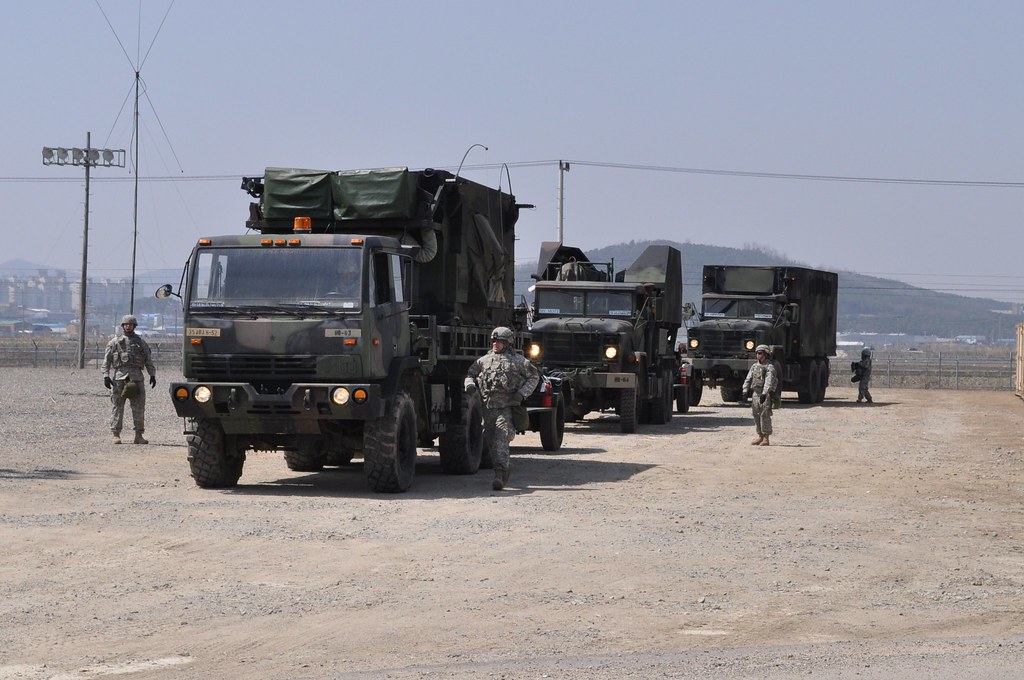
The departure of U.S. Forces has been met with mixed reactions. While some groups, including Iran-backed militias, have celebrated the withdrawal, others, particularly in the Kurdish region, express fears about the security implications. The situation has raised questions about the stability of the region and the role of external powers.
Meanwhile, tensions with the U.S. Continue over the Iran nuclear deal and access to the Strait of Hormuz. Despite ongoing negotiations, President Trump has rejected offers from Tehran to reopen the critical waterway. The situation remains fragile, with both sides struggling to find a lasting resolution.
The withdrawal marks the end of a two-decade U.S. Military presence in Iraq, leaving a power vacuum that could be filled by regional actors. The long-term consequences of this shift remain uncertain, but the political landscape is likely to change significantly.